
EV charging
EV Charger Installation in Duvall
The charger is the easy part. The circuit that feeds it, and whether your service can carry it, is the job.
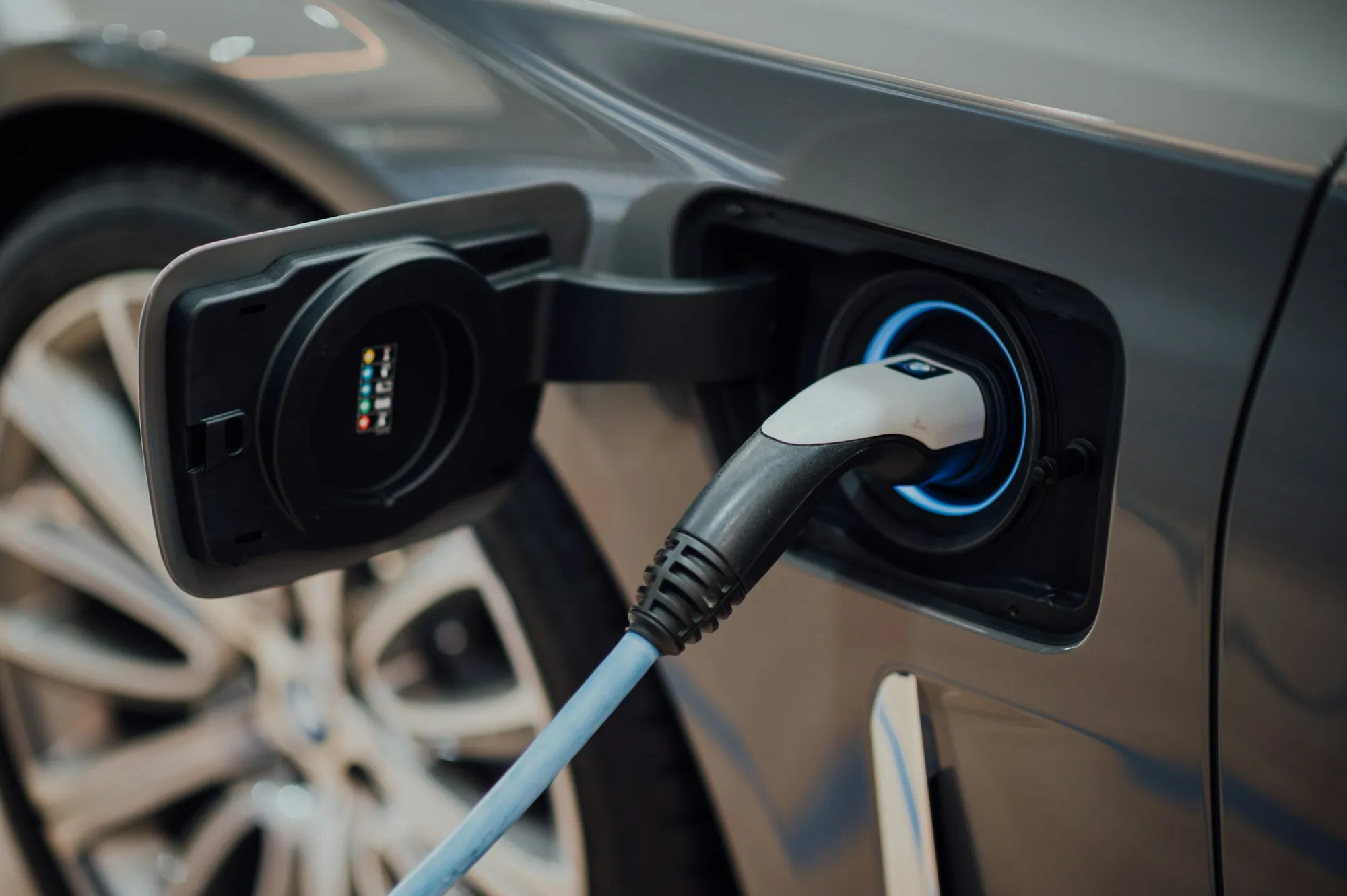
Charging at home, done once, properly
Nearly every EV charger problem we are called to fix is the same problem: somebody ran a circuit without checking whether the service could carry it. The charger works, right up until the dryer and the heat pump run at the same time. We start with a load calculation on your actual panel — what is on it, what size the service is, what the house genuinely draws. That tells us whether a 40, 50 or 60 amp circuit is realistic, whether load management makes more sense than a panel change, and where the charger can go so the cable reaches without being strung across a doorway.
What the job includes
A load calculation first
We work out what your service can actually support before anyone quotes a circuit size. It is the step most often skipped and the one that causes the callbacks.
A dedicated 240V circuit
Correctly sized conductors, a properly rated breaker, and a run planned for the shortest practical route through garage, crawl space or exterior wall.
Mounting and termination
The unit mounted at a sensible height on a surface that will hold it, with the cable reaching your parking spot on the side the port is on.
Permit and inspection
Filed, scheduled and met by us. EV circuits are inspected work in Washington and we treat them that way.
Worth a call before you buy the car
The panel has no spare double slot
Common in houses built before the mid-nineties. There are usually more options than a full panel change, but you want to know which before you order a charger.
You are also adding a heat pump
Two large loads arriving in the same year is the situation load management was designed for. Planning both together is cheaper than solving them one at a time.
The garage is a long way from the panel
Distance drives conductor size and cost more than anything else. We measure the real route, not a straight line.
You rent, or you may move
Placement and conduit choices can make the unit far easier to remove or relocate later. Worth deciding up front.
How the work runs
Look at the panel
We open it, read the service size, and list what is already connected.
Run the numbers
A load calculation says what the house can carry. You get the answer in plain terms, with the options.
Plan the route
We walk the run with you and agree where the unit goes and how the cable gets there.
Install, test, inspect
The circuit goes in, the unit is tested under load, and the inspector signs it off.
Questions about this work
Do I need a panel upgrade for an EV charger?
Often not. Plenty of Duvall houses have the capacity and simply need the circuit. Where the service genuinely is too small, load management can sometimes avoid a panel change entirely. The load calculation decides it, and that costs nothing.
How fast will it charge?
That depends on the circuit size and what the car accepts. A 40 amp circuit adds roughly 25 to 30 miles of range an hour for most vehicles, which means an overnight charge covers far more than a typical commute from the valley.
Can you install a charger I already bought?
Yes. Bring whatever unit you have. We will tell you honestly if the one you bought is a poor match for your service before we fit it rather than after.
Find out what your house can take
The load calculation and the estimate are both free, and they take one visit.